
Enjoy 1,200 acres of botanical bliss at Balboa Park in this episode.
Visit us at maedunbroc.com
Music by Jason Shaw at AudionautiX
Featured image courtesy of Balboa Park
Transcript:
Hello Listeners,
Today is January 6th, and this is A Garden a Day with Mædunbroc Gardens.
Are you going back to work or school today after the long holiday? Oh, I’m so sorry. I know it’s so hard to get back into the swing of things.
January is always a bit of a rough month. The cold weather is welcome when it comes with Christmas lights and big feasts, all the holiday music, and festiveness, but when there isn’t much to look forward to except more snow and more darkness and more cold, January can get a bit old, right? Things always start to get better right around February 12th for me. I don’t know if it’s the same for you or not, but it’s almost guaranteed.
February 12th and everything looks up. It’s not too far in the future. A month is nothing. It won’t be long now. We can make it. I know we can.
I am so happy to talk about today’s garden which is really many gardens collected together in one big park. Today, we are going to Balboa Park in San Diego, California.
I visited this park about twenty years ago on a trip to San Diego, and I loved it so much, I went back three times.
Balboa Park covers 1200 acres and includes 18 museums, the San Diego Zoo, hiking trails, a dog park, shopping, dining, an art center, a miniature train, a carousel, stunning architecture, and at least 15 individual gardens.
If a city or town is looking to revitalize, Balboa Park should be the blueprint to follow. You will find the balance of culture, sophistication, entertainment, and nourishment, nature, beauty. It’s truly elevated accessibility. It’s a place open to all. It’s quite nice, and it’s been described as a masterpiece, and it really is. It’s quite lovely.
Balboa Park began as an intentional effort by San Diego’s civic leaders in 1868 to shape 1400 acres into a city park. In 1892, the first major beautification of the park occurred when local nursery-woman Kate Sessions offered to plant 100 trees a year in the park in exchange for 32 acres of land to house her nursery. She was instrumental in introducing birds of paradise, queen palms, and poinsettia into the park. Several of her trees are still standing all these years later.
Between 1903 and 1910, a formal plan for the park took shape and much of what we see today was designed during that time.
Today, you can enjoy the natural beauty of a manicured outdoors while jogging, walking, or biking on the various trails through the park or visit the individual gardens in the park including
Inez Grant Parker Memorial Rose Garden — which includes about 1600 roses blooming between March and December. The peak time for blooms is April and May.
Or enjoy Palm Canyon where you will stroll among 450 palms, some dating as far back as 1912.
You might also enjoy the Trees for Health Garden, a garden for medicinal plants from around the world.
Or visit the Kate Sessions cactus garden, designed for the 1935 California Pacific International Exposition
or the Florida Canyon Native Plant Preserve which provides a critical habitat for native wildlife.
You might also enjoy the Zoro Garden, a sunken stone grotto that has been transformed into a colorful butterfly garden with plants that attract and nurture the growth of butterflies.
The are teaching gardens and demonstration gardens.
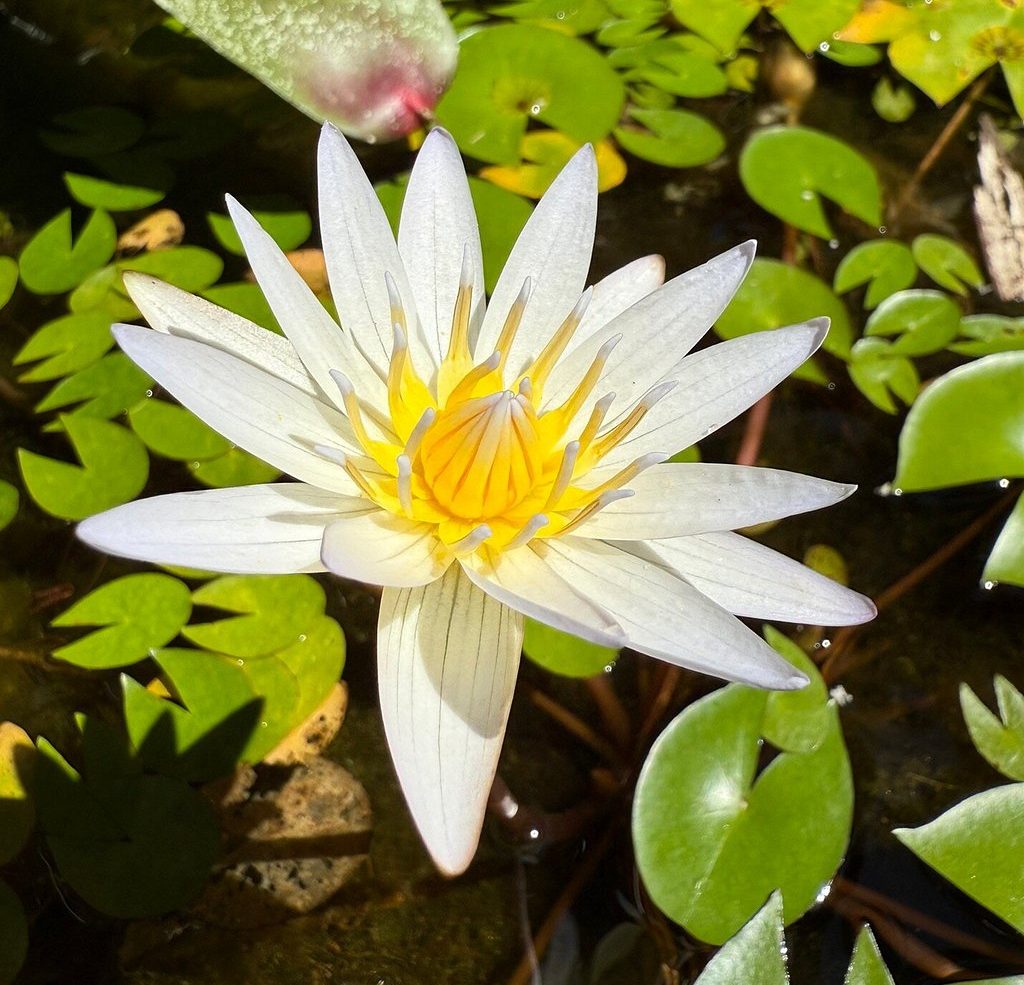
The Botanical Building, completed in July 1914, was recently renovated and features more than 2,100 permanent plants including ferns, orchids, cycads, palms, and other tropical species. Next to the botanical building is the lily pond and lagoon.
There are micro-gardens throughout the park nestled among the many cultural buildings, landmarks, and pavilions, and the San Diego Zoo also offers stunning plant displays throughout its wildlife habitats.
Balboa Park is one of my favorite public places on earth. There is so much to see and do. You really must spend more than a day there to be able to take it all in.
I’d like to hear your favorite plant places. What gardens do you want to visit again and again? Let me know by leaving a comment or a review where you listen to the podcast.
And thank you for listening today. I do hope you enjoyed this episode.
Join me tomorrow to find out where we are going next.
If you do like A Garden a Day, please consider liking, subscribing, and telling your friends. If you are able, please also consider giving us a five-star review. It lets me know you like the show, and it also helps others find the podcast. I really do appreciate it.
If all goes well, I will be right back here tomorrow. See you then!
https://explorer.balboapark.org/plan-my-visit/
https://www.sandiego.org/articles/balboa-park/balboa-park-san-diego.aspx
https://www.sandiego.org/articles/balboa-park/gardens.aspx
https://www.roadsanddestinations.com/must-see-places-in-san-diego-balboa-park/
https://en.wikipedia.org/wiki/Balboa_Park_(San_Diego)
https://www.sandiego.gov/park-and-recreation/parks/regional/balboa
https://balboapark.org/parks-trails-gardens-type/gardens/
https://sandiegomagazine.com/everything-sd/balboa-park-museum-guide-free-days-2024/


Leave a Reply