
We’re off to the Gulf of Mexico in this garden journey.
Visit us at maedunbroc.com
Music by Jason Shaw at AudionautiX
To find your next favorite book, visit our Bookshop.
Featured image courtesy of South Texas Botanical Gardens & Nature Center
Transcript:
Hey there, Garden Lovers.
Today is January 14, and this is a A Garden a Day with Mædunbroc Gardens.
We’re headed to Corpus Christie, Texas, on today’s journey to the South Texas Botanical Gardens and Nature Center.
Texas is an interesting state to study. It’s so large and covers so much territory that you can find yourself in an east coast pine forest on one side of the state and the desert on the opposite side of the state. You can be in the plains at the top of the state and marshlands at the bottom. All in all, there are 10 distinct eco-regions in Texas.
Today, we are headed to the Gulf Prairies and Marshes region, a low-lying area of rivers and streams that flow into the Gulf of Mexico. The region includes barrier islands — you might be familiar with Padre Island — and also includes river bottom lands, salt marshes, stands of oaks, and sandy soil. The USDA Plant Hardiness Zone is 9B or 10A depending on your proximity to the Gulf.
The South Texas Botanical Gardens and Nature Center spans 182 acres and specializes in native Texas plants.
The garden began in 1987 as a 1-acre cottage garden and nature trail. By 1996, the garden had outgrown its site, and a new and much larger botanical garden opened to the public. The garden has been growing ever since.
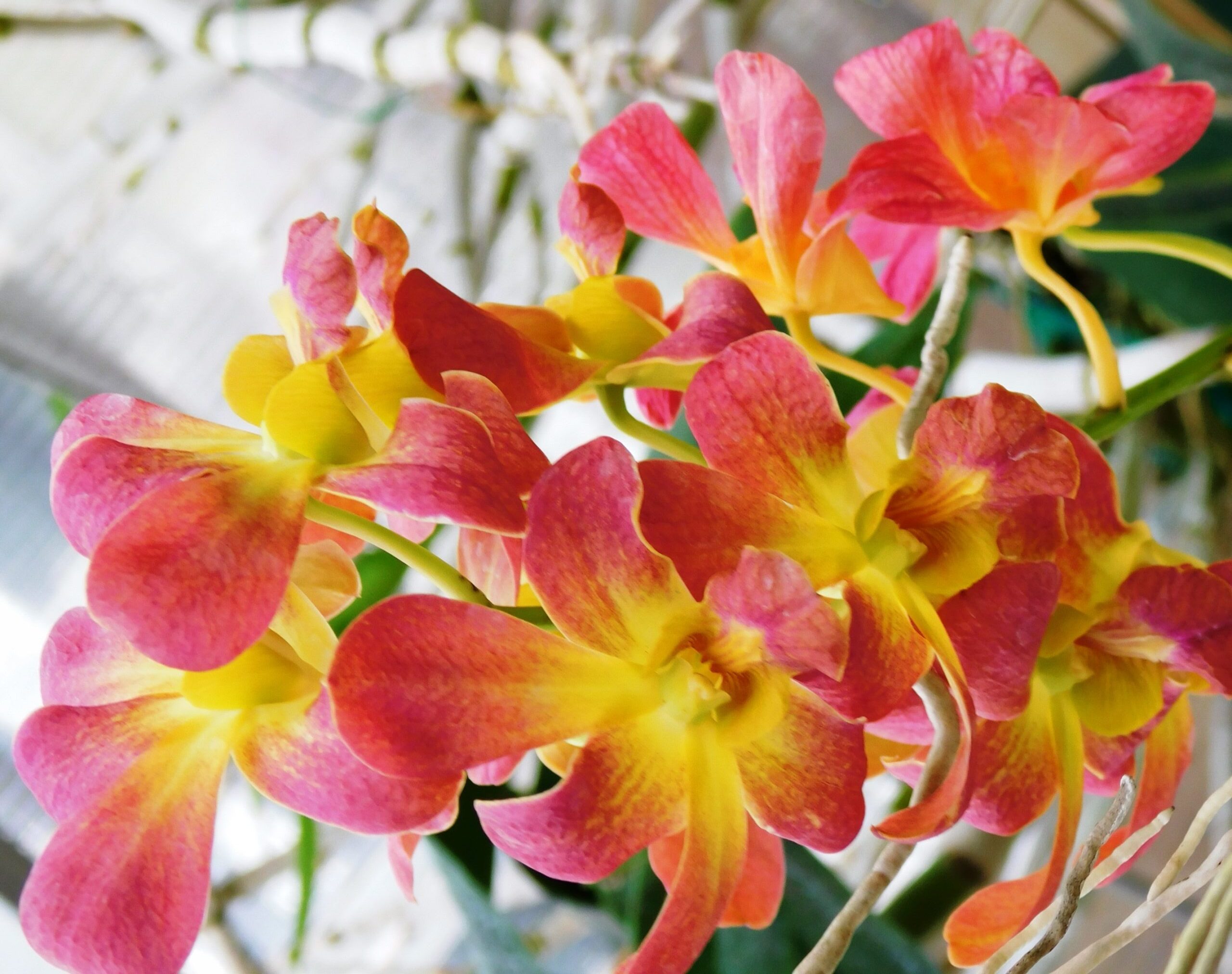
There are several major exhibits in the garden including an arid garden showing plants that thrive in a dry climate, a hibiscus garden, a hummingbird garden, an orchid house with over 3,000 orchids, and a plumeria garden collection with more than 100 varieties.
Plumeria, if you are not familiar, is also known as frangipani. It’s a highly fragrant and beautiful flower with a scent that is often used or copied in perfumes and fragrances. With 100 varieties together in one garden, I bet this garden smells divine.
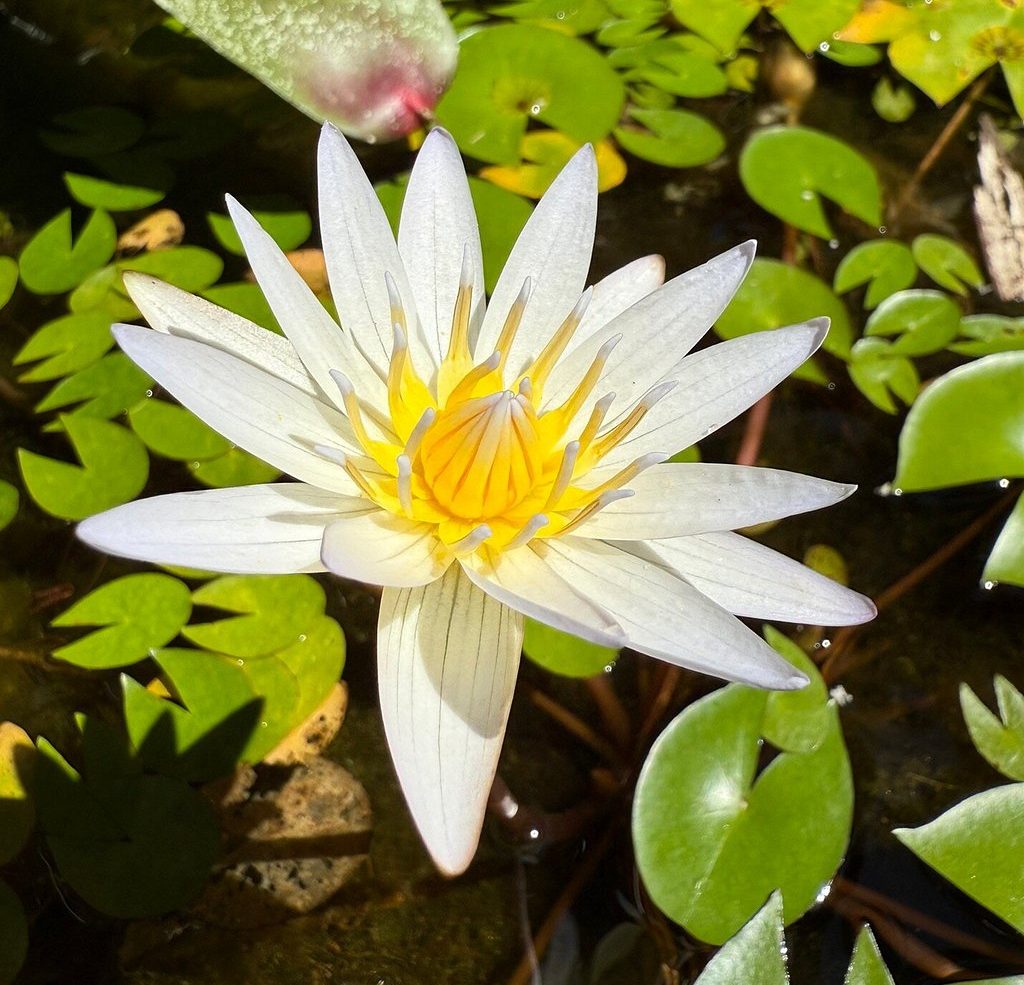
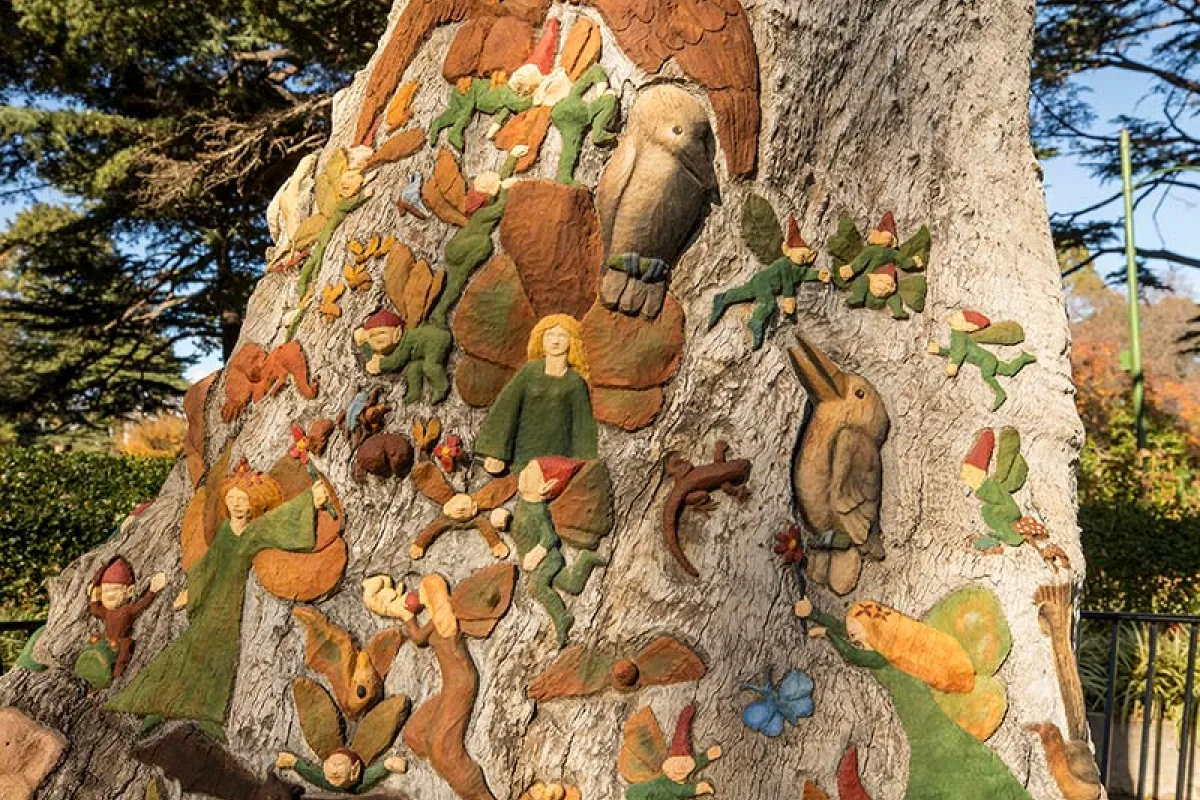
The botanical garden also includes a rose garden, a water garden, and an artscaped sensory garden. The Sensory Garden is designed as an educational garden to encourage visitors to experience the garden using all five senses. A tour guide on hand to help visitors discover all the ways the garden can be experienced including by tasting plants that are edible. Visitors are also encouraged to sit on sensory sofas in the garden. The sofas are made of limestone and covered in colorful mosaic designs that represent the rising and setting sun.
There is an Exhibit House on the grounds that showcases bromeliads, cycads, cacti and succulents.
Beyond the blooms, visitors have a chance to visit the Butterfly house, a 2600 square foot screened enclosure that houses native and migrating butterflies at all stages of life. The best time to visit is most of the year — between March and November. You won’t see much in winter.
The garden is a Monarch Waystation, and you will most likely see milkweed growing as you explore the garden.
The garden also keeps an Exotic Parrot Collection and offers a live interaction opportunity to get up close and personal with the bird of the reptiles housed at the garden.
More than sixty reptiles live at the botanical garden and nature center. You might get to visit with Ivan the Terrible, a green iguana common to central America who found a new home at the garden after being picked up walking down a street in Corpus Christie.
For hikers and casual walkers, a natural mesquite trail spans thirty acres of scrubland — home to about thirty-five species of trees, shrubs, herbaceous plants, and cacti — that also offers opportunities to see wildlife such as deer, peccaries and coyote. Peccaries, if that’s not a familiar word, are also known as javelina, wild pigs, or skunk pigs. They are not exactly pigs, but they are related and look like pigs. They get the name skunk pig for exactly the reason you might guess. These little guys stink. They are known for their strong, musky odor.
To experience a different ecosystem, the garden maintains a Wetland Awareness Boardwalk that allows you to get close to marsh grasses, shore birds, and other plants and wildlife that thrive in wetlands.
If you have children who need to burn off some energy, they might enjoy the Monkey Mansion Tree house — There are no monkeys in this tree house, but there might be some monkey business in this children’s play area.
There are several conservation areas in the garden. They are working to protect the endangered Slender Rush Pea, and Black-Laced Cactus as well as provide housing and feeding stations for many different kinds of birds.
And since I’ve mentioned birds a few times, Corpus Christie, where today’s garden is located, has won the title of the Birdiest City in America for more than a decade. To celebrate this honor, the South Texas Botanical Gardens and Nature Center host the Birdiest Festival in America for four days each April. The garden is also a key stop on the Great Texas Coastal Birding Trail.
Children can spend time in the gardens at Summer Camps held in June and July. Opportunities exist for children ages 5 to 18.
Educational programming occurs throughout the year for children and adults. Previous topics have included edible weeds, native Texas wildflower folklore, organic gardening, summer lawn care, and pollinator gardening.
The garden is open most days of the year from 9am to 6pm. They are closed on Thanksgiving, Christmas Eve and Christmas Day.
and
Friendly dogs are allowed in the garden and on the trails on leash.
I’ve included links in the notes, if you’d like to learn more about South Texas Botanical Gardens and Nature Center. I’ve included a link to Trip Advisor for the photos. I think this is the second time I’ve linked to Trip Advisor. Visitor photos on that site are gorgeous. I think you’ll like them.
Well, that’s about it for today. I hope you enjoyed this episode. Join me tomorrow to see where we are going next.
If you like A Garden a Day, please considering liking, following, or subscribing to the podcast. It lets you know when a new episode is available, and it lets me know you like the show. Also, if you are able, please consider giving the show a five star review. It helps others find the show. It really does help. Thank you so much.
If all goes well, I’ll be right back here tomorrow. See you then.
To learn more about South Texas Botanical Gardens and Nature Center, visit these links:
https://www.visitcorpuschristi.com/listing/south-texas-botanical-gardens-&-nature-center/208/
https://en.wikipedia.org/wiki/South_Texas_Botanical_Gardens_&_Nature_Center
https://whichmuseum.com/museum/south-texas-botanical-gardens-nature-center-corpus-christi-10289


Leave a Reply